Where Happiness is the Measure of Success
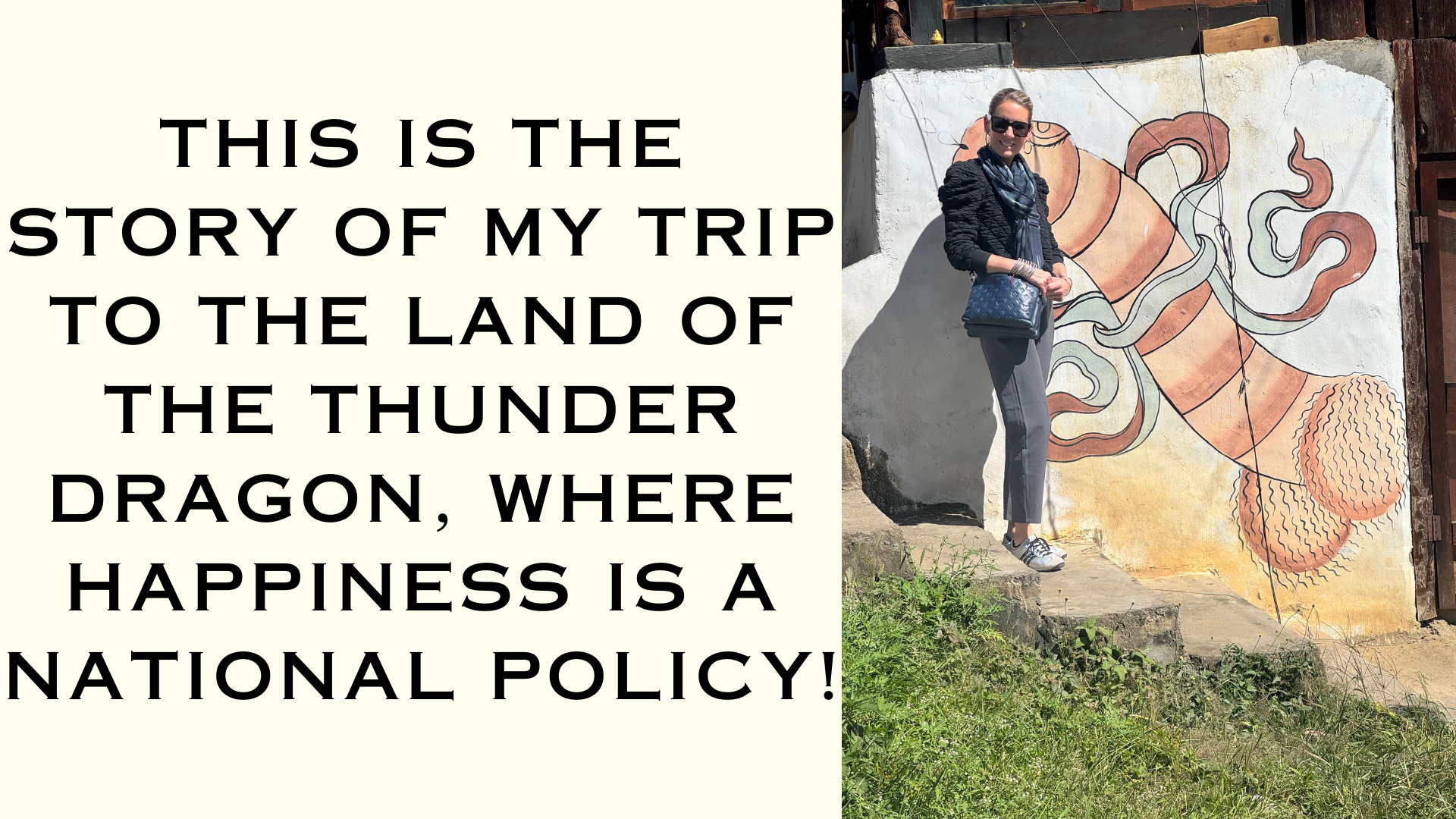
I’m back from the most extraordinary journey to the Kingdom of Bhutan, and I’m still thinking about the incredible experience. It was a trip that redefined the word “amazing.” If you’ve followed my travels, you know I value places that feel deeply connected to culture, geography, nature, and people, and Bhutan—nestled high in the Himalayas—is a masterpiece of natural beauty and spiritual serenity.
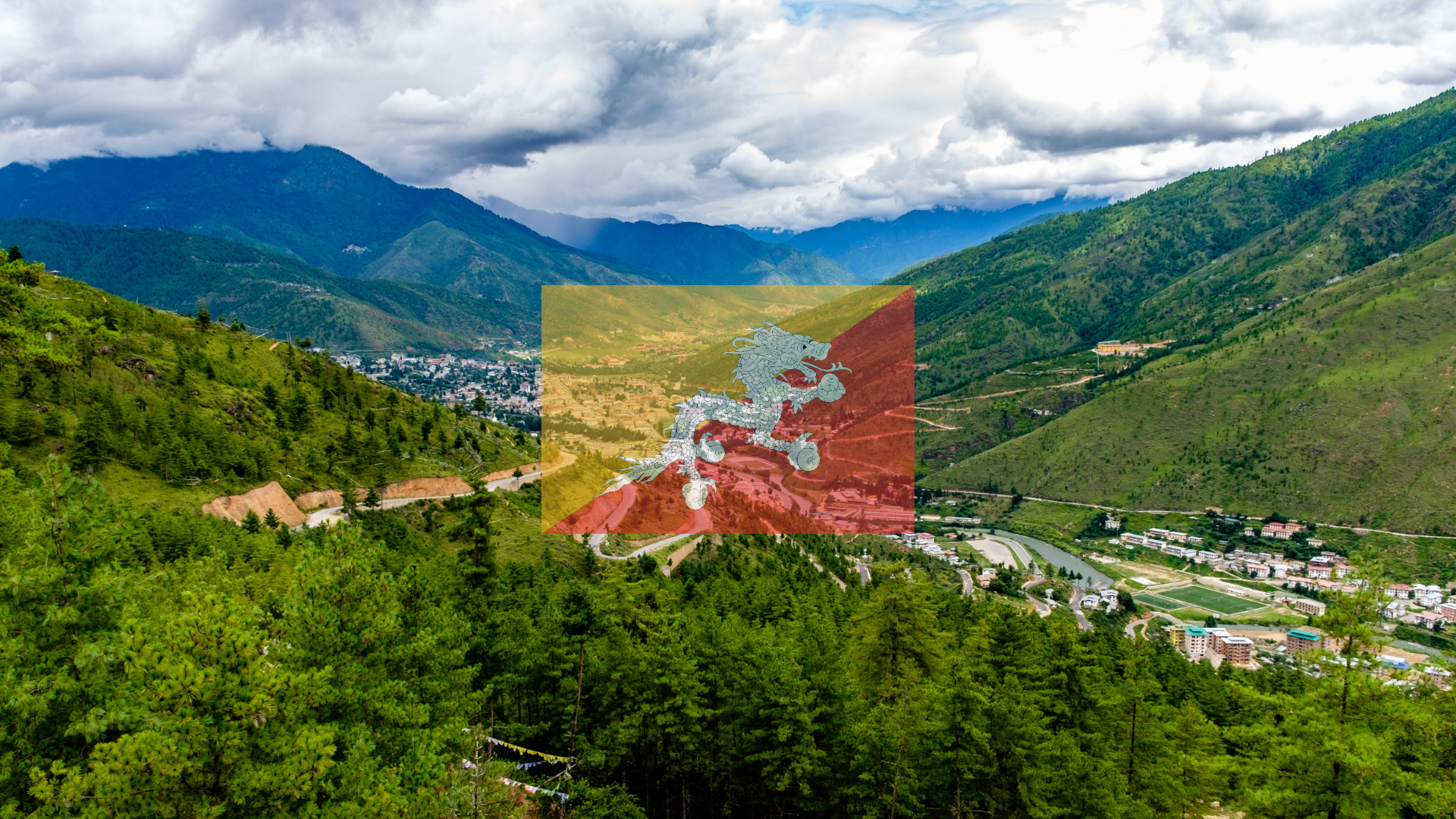
Bhutan is truly unique. Instead of focusing solely on GDP (Gross Domestic Product), their guiding philosophy is Gross National Happiness (GNH), which prioritizes collective well-being, culture, and environmental conservation. Spending time in a country where happiness is a national policy is genuinely transformative. You see it in the pristine forests, the centuries-old traditions, and the welcoming smiles of the people.
A Fun Fact to Start: Bhutan is the only carbon-negative country in the world! It absorbs more CO2 than it produces, thanks to a constitutional mandate that ensures at least 60% of its land remains under forest cover.
Nature’s Serenity and Geographic Wonders
The geography of Bhutan is simply breathtaking, from its steep forested mountainsides to the terraced valleys carved out for agriculture. Our journey allowed us to fully immerse ourselves in this untouched landscape.
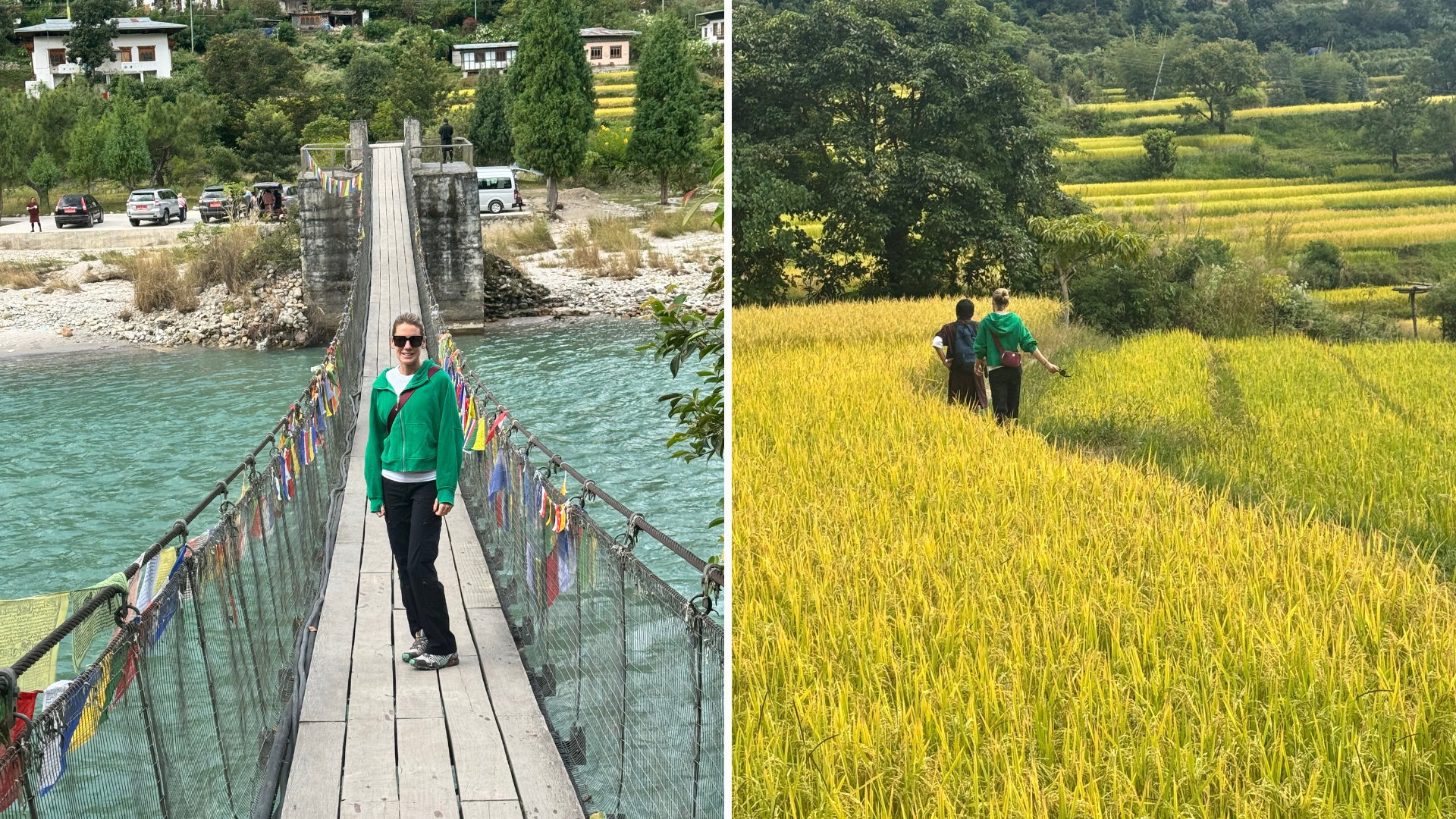
Left: Crossing the river to our peaceful lodge—the perfect entry point into Bhutan’s tranquility: Bhutan’s pristine environment is protected by law, making every path feel like a journey into a secluded paradise. Many roads and paths follow the winding rivers, connecting remote valleys. Even the walk to our accommodation felt like an adventure, often involving crossing traditional wooden bridges over crystal-clear, glacier-fed water. It’s a constant reminder of how life here is interwoven with nature.
Right: The incredible geometry of the rice paddies, managed by local farmers: Bhutan’s landscape is vertically diverse, with elevations ranging from 500 feet to over 24,000 feet. This dramatic shift allows for everything from subtropical jungles to high alpine pastures, contributing to its incredible biodiversity. The rice paddies we walked through are a testament to how the Bhutanese master this rugged terrain for sustainable farming, which is vital for rural population retention.
Culture, Arts, and the Power of Faith
Bhutanese culture is deeply rooted in Vajrayana Buddhism. This spiritual heritage dictates everything from the architecture (every building must follow traditional designs) to the daily practices of the citizens.
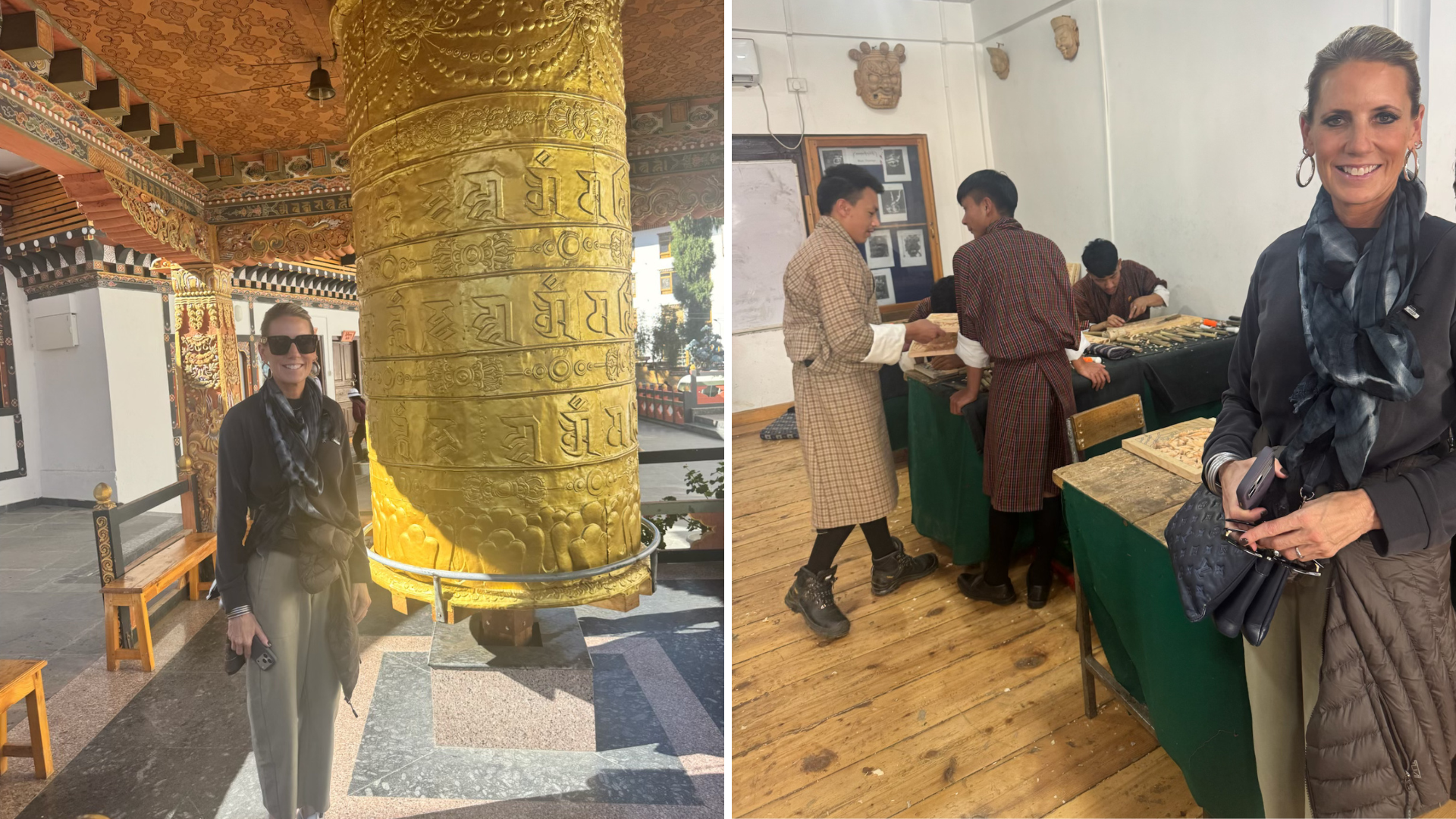
Left: Spinning the prayer wheel—a moment of meditation and accumulation of positive merit.
Right: Inside the traditional art school, where the thirteen arts and crafts are preserved: Our visit to the Choki Traditional Art School was a highlight, showcasing the country’s commitment to preserving the Zorig Chusum (Thirteen Arts and Crafts). These schools offer free education, not just to pass on skills like painting, sculpting, and wood carving, but also to instill discipline and cultural identity. It's a key strategy in the government's approach to empower youth and keep them connected to their rich heritage, providing fulfilling employment opportunities at home.
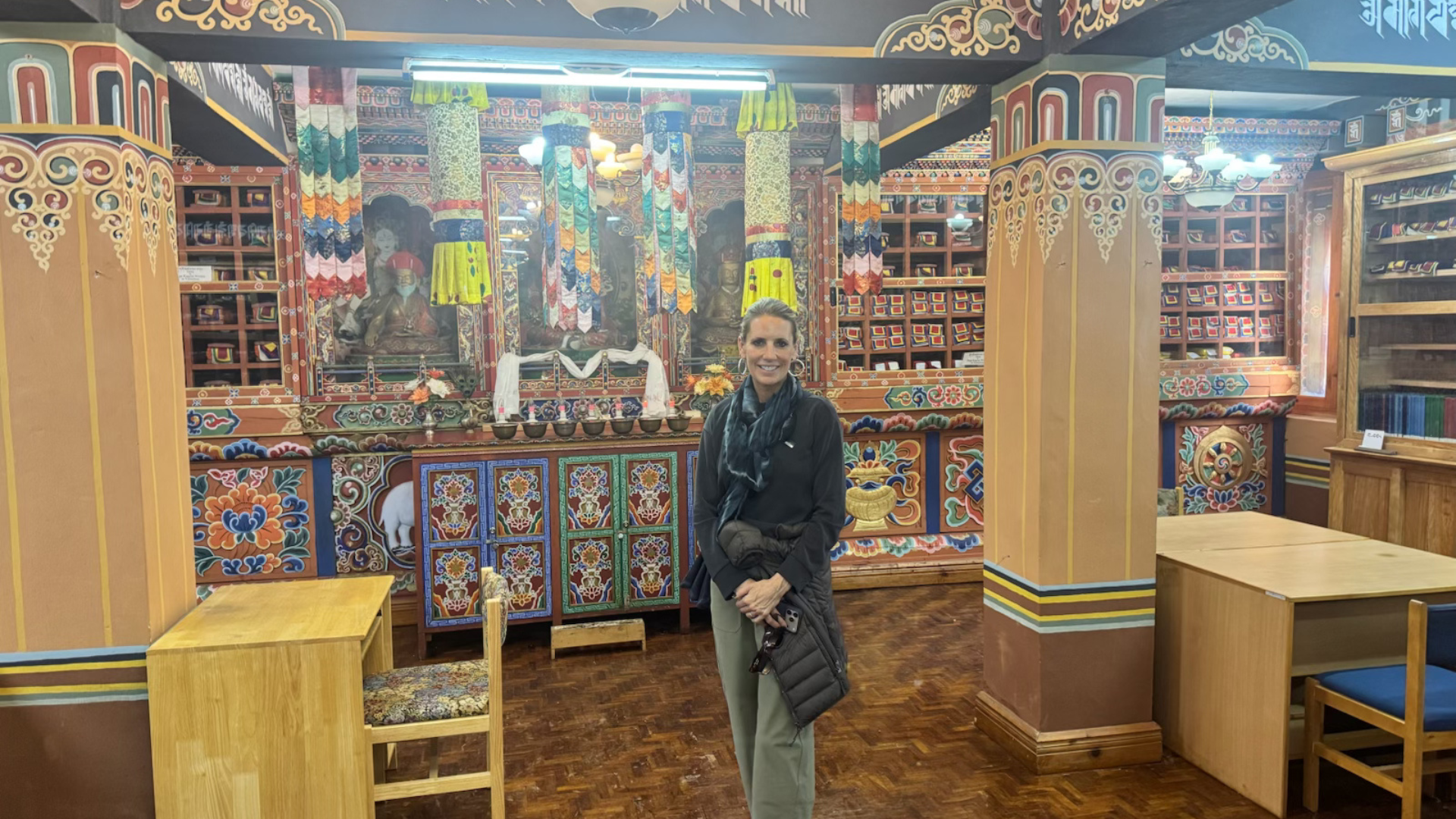
The National Library, safeguarding ancient Buddhist scriptures and cultural history: The National Library houses some of the world’s most precious religious and historical documents. This focus on archiving and preserving the past is a core tenet of GNH. In terms of future development, Bhutan is also embracing technology, including plans to leverage blockchain technology to secure its National Digital Identity (NDI) system, demonstrating a unique balance between tradition and high-tech progress.
The Flavor of Bhutan: Momos and Market Finds
Bhutanese cuisine is simple, hearty, and often quite spicy! The commitment to organic farming and local ingredients makes the food experience incredibly fresh. Learning to cook a local staple was a fantastic way to connect with the culture.
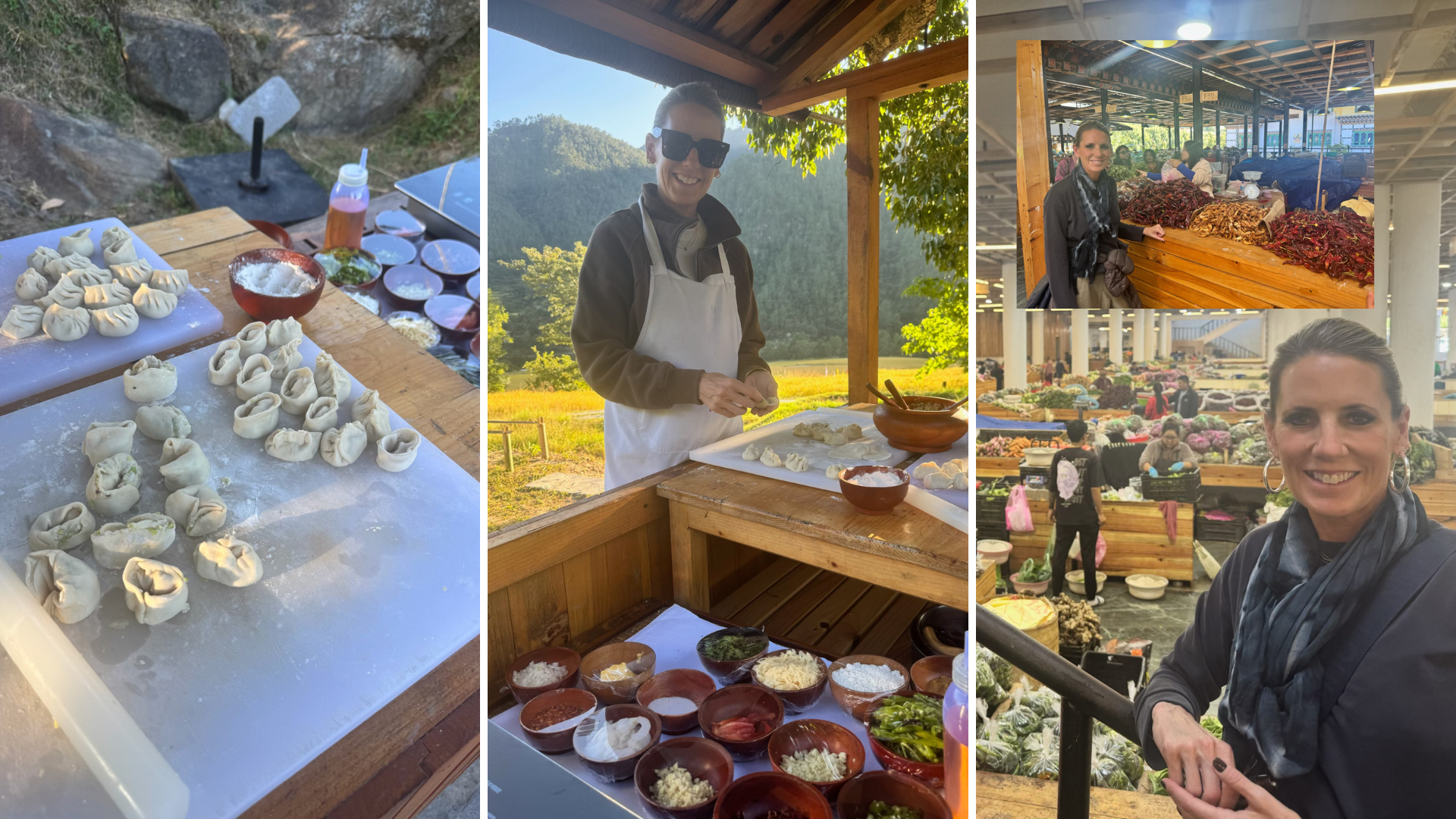
One of my favorite activities was taking a cooking class to make Momos (delicious, traditional dumplings). Food is central to Bhutanese hospitality, and everything is prepared with pride using ingredients sourced from local farms.
Food Fact: While chilies are the most famous ingredient (Ema Datshi is the national dish), the Momos were a perfect, savory counterpoint. This focus on locally grown food not only ensures good health but also directly engages the population in sustainable practices, minimizing the reliance on imports.
Market Fact: The government ensures a wide variety of seasonal produce is available, promoting healthy eating and self-sufficiency. This supports the well-being and environmental pillars of GNH, demonstrating how policy connects directly to daily life.
Journey to Happiness
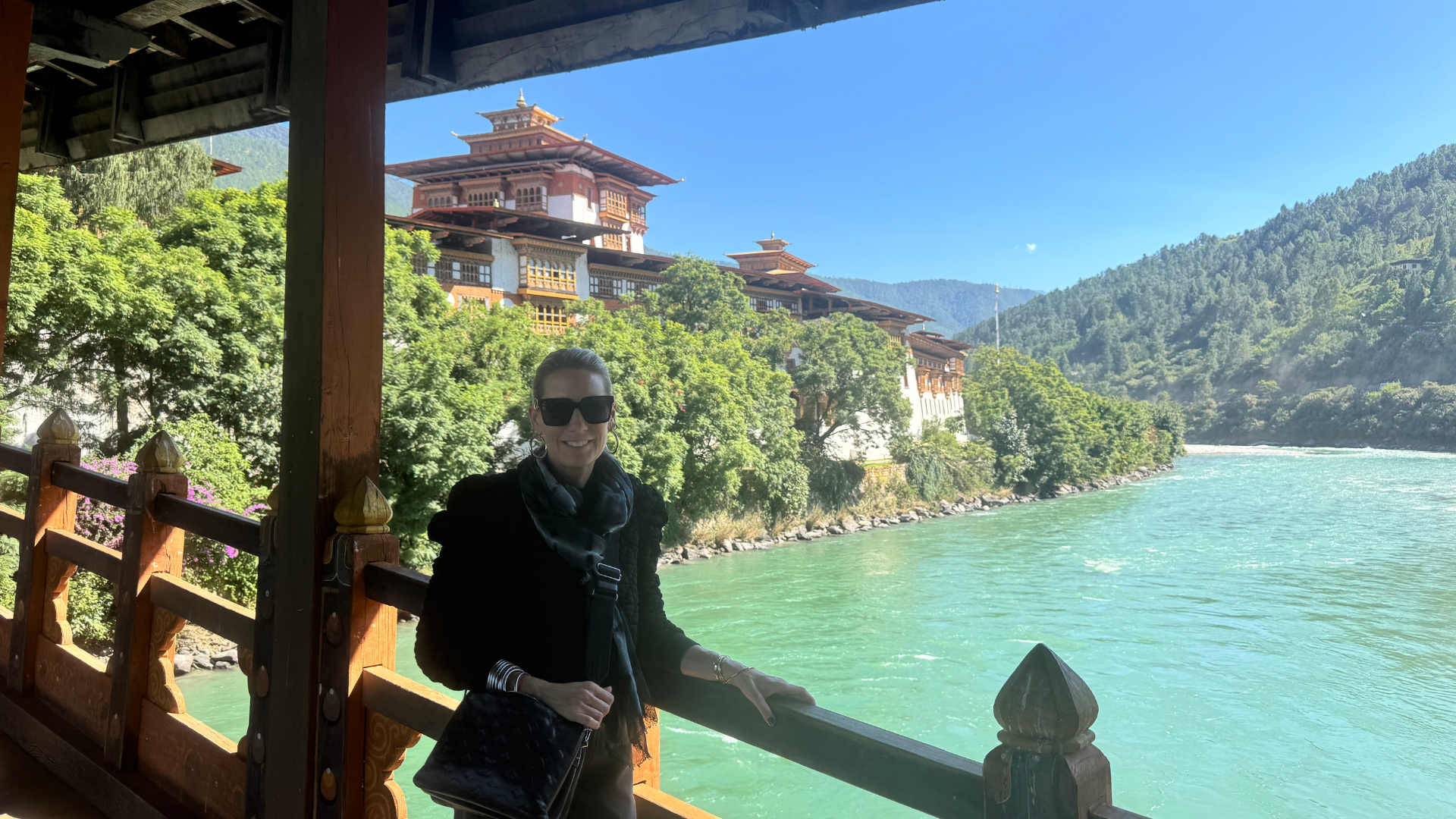
I hope this snapshot gives you a taste of the depth and beauty of Bhutan. It is a country that truly practices what it preaches, and the immersion in its spectacular nature and unique philosophical approach to life left me feeling profoundly happy and inspired.
The focus on happiness over profit is not a gimmick; it’s a living, breathing part of Bhutanese life, encapsulated by the four pillars of GNH: Sustainable Development, Cultural Preservation, Environmental Conservation, and Good Governance.